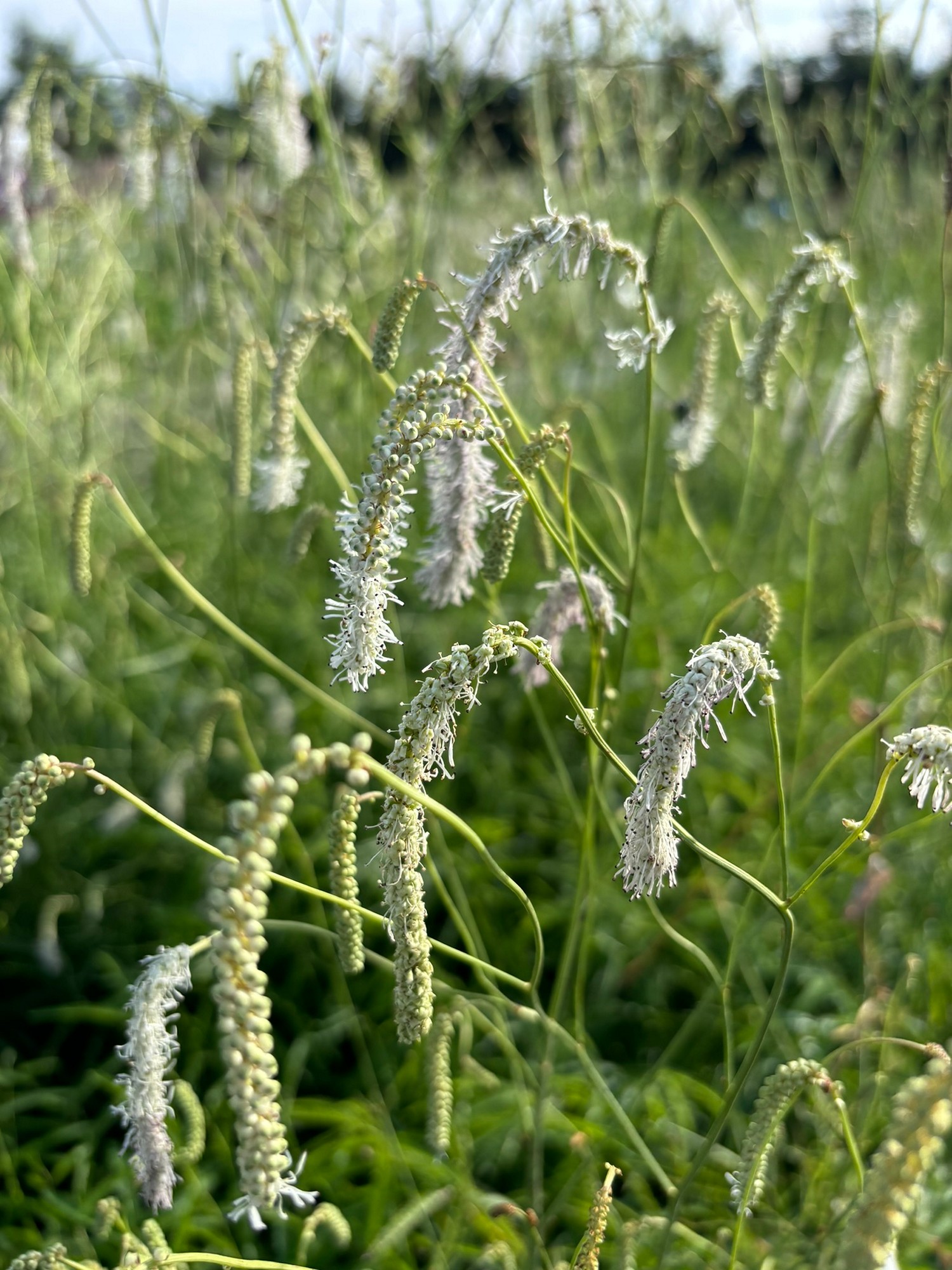








The growing popularity of natural gardens is turning the attention of perennial growers to plants with a finer loose texture, with less conspicuous flowering. It also supported the more abundant use of bloodsuckers in plantings. Rod Sanguisorba (family Rosaceae) is represented in the temperate belt of Eurasia and North America by approx 30 second. They are also important from the point of view of further selection of garden varieties: S. officinalis (Euroasia), S. tenuifolia, S. obtuse (both Japan), S. hakusanensis (Japan, Korea), S. canadensis (SV Sev. Of America), S. menziesii (SZ Sev. Of America, Alaska). In the Czech flora, we have two original species of these perennial tufted herbs. Less Sanguisorba minor seeks out sunny and drier habitats, while stouter S. officinalis grows in moist habitats from the lowlands to the mountains. It is a typical representative of alternately wet meadows, for whose dark chestnut-red flowers it is popularly called "chimney tree".
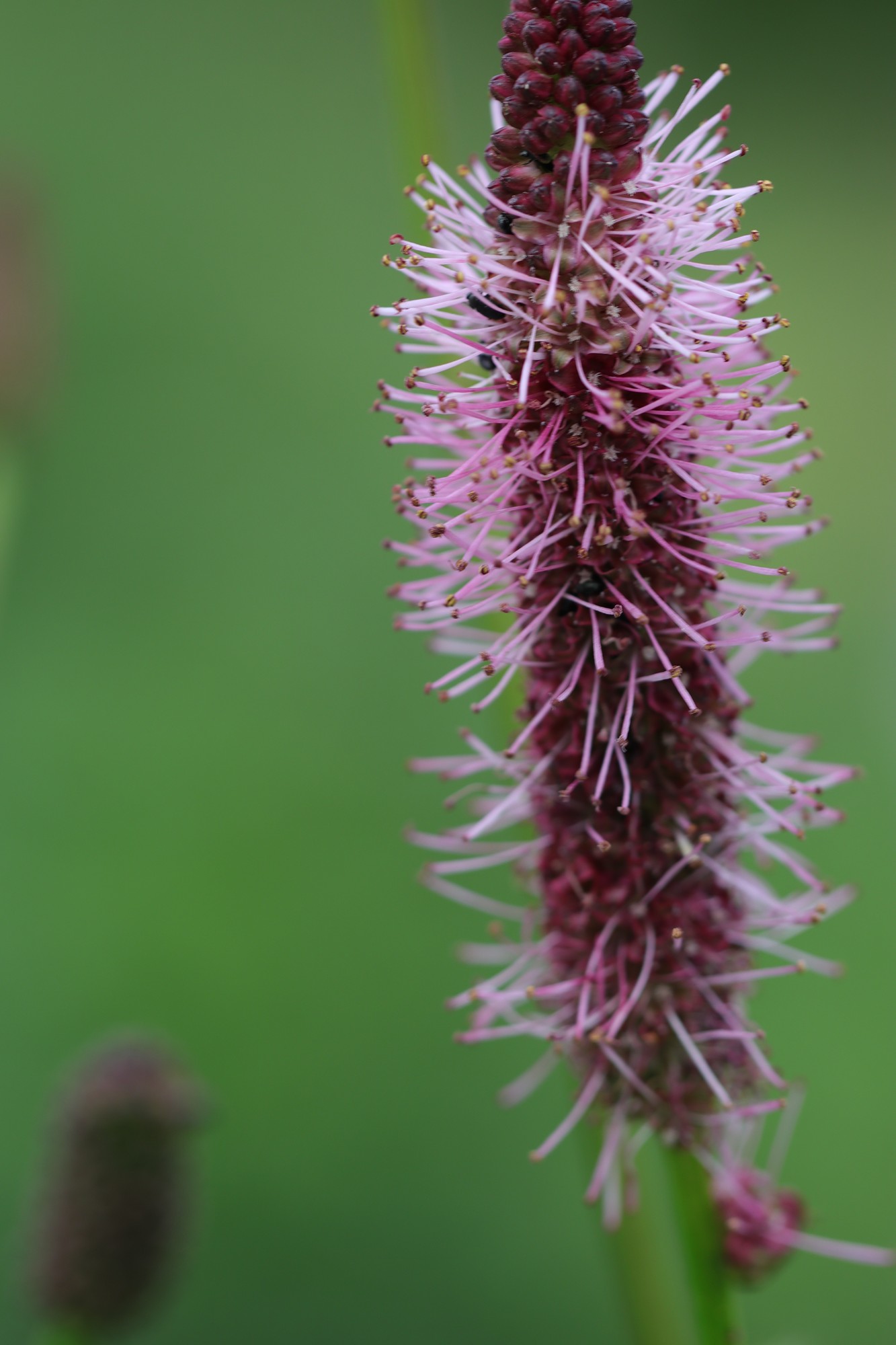
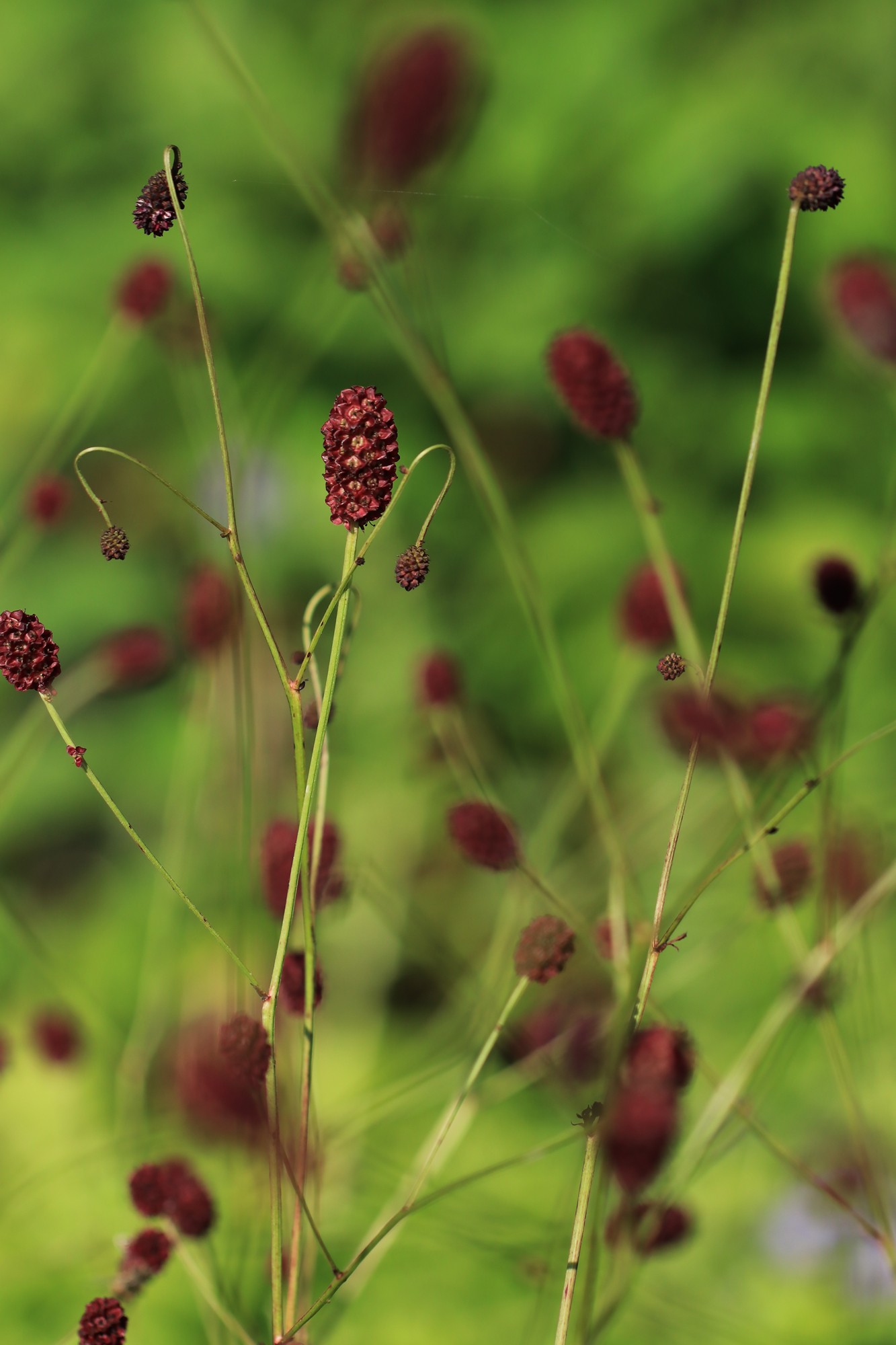
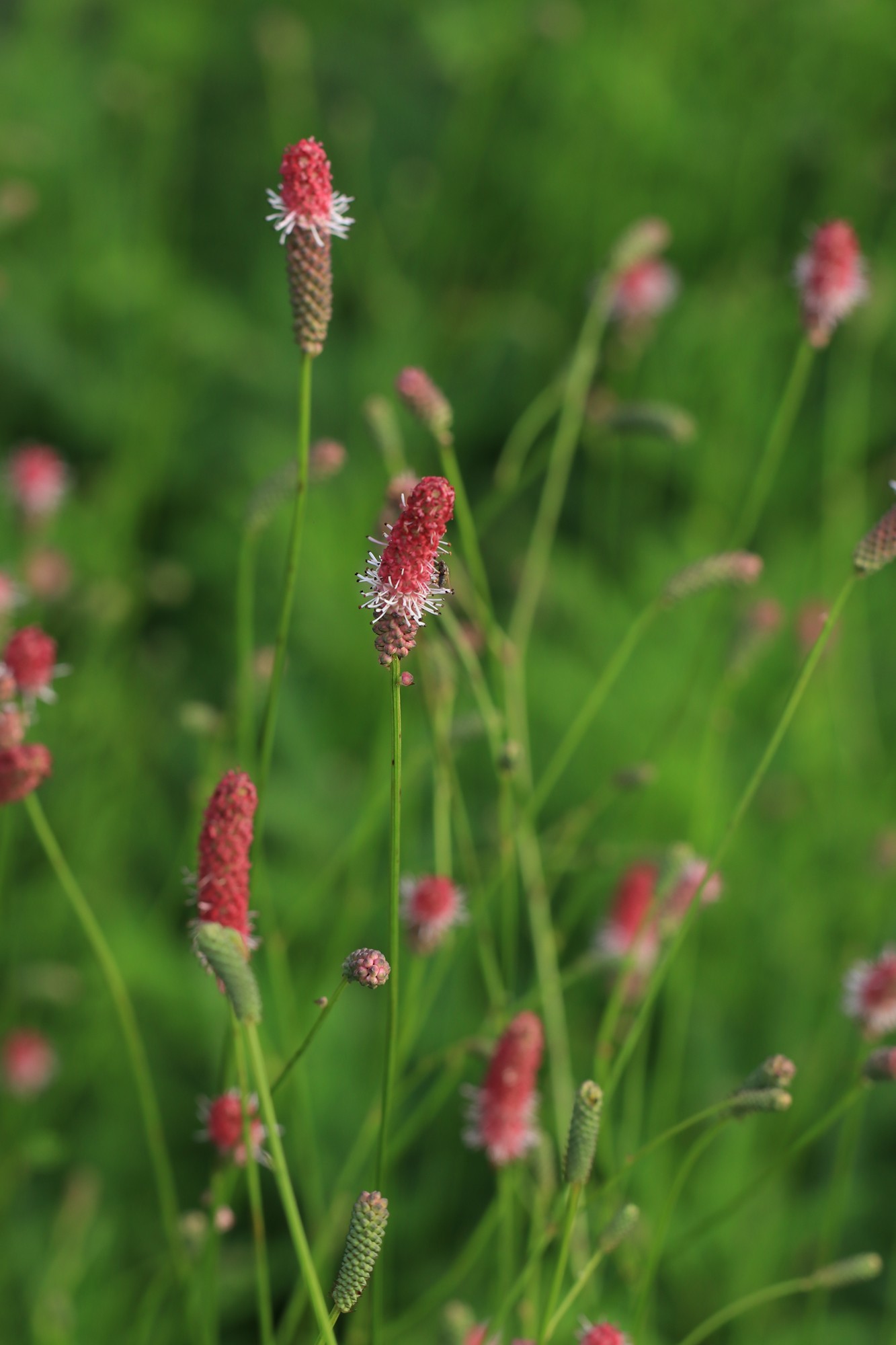
The characteristic habit of bloodsuckers is characterized by a ground rosette of long-petioled lop-pinnate leaves, from which slender leafy stems grow, 0,5 when 2 m high. These are finished with erect or spiky inflorescences with a brush-like appearance (a cob or cob). Because the flowers themselves do not form a crown, long colored sticks take over its function (sometimes together with calyces). Light and dark shades of white are typical, pink, red, crimson, sometimes even magenta and purple colors. Depending on the species, flowering takes place from June to October.

Bloodworms are resilient, relatively long-lived plants. Under suitable conditions, they form larger clumps, which later grow into larger stands. Bright habitats with deeper moist soil suit them best. They stand out especially in natural parts of gardens, but we can also use them in classic flower beds. Domestic species can also be used for weeding. It is propagated by sowing seeds, cultivars must be divided or cut. They sometimes develop powdery mildew.